GOTS certified organic cotton: what it means, and why we chose it
When you're shopping for a baby, everything seems to come with a claim. Natural. Pure. Eco. Gentle. Somewhere in the middle of all that, you probably just want to know one thing: can I trust it?
It's a fair question, and the answer shouldn't take a research project. So here's a plain-English guide to what GOTS certification covers, what it doesn't, and why we chose it for our baby collection.
What "organic cotton" means
Organic cotton is grown without synthetic pesticides and fertilisers, from non-GM seed. That's the farm end of the story. On its own, it doesn't tell you how the cotton was then spun, dyed or finished.
What GOTS adds
GOTS, the Global Organic Textile Standard, follows the fabric well beyond the field. It covers processing, dyeing and finishing, limits the chemicals that can be used along the way, and sets environmental and social standards for the factories involved. All of it is checked by independent auditors. In other words, someone other than the brand does the checking.
GOTS has two grades, and the difference matters:
- "Organic": at least 95% certified organic fibres
- "Made with organic": at least 70% certified organic fibres
Our baby collection carries the higher "organic" grade.
Why we chose it
For years, parents have trusted us to do the thinking for them: that the fabric is right, the design is practical and the price is fair. Moving our baby collection to 100% organic cotton felt like the natural next step in keeping that trust. We chose GOTS because it checks the whole journey, not just the field.
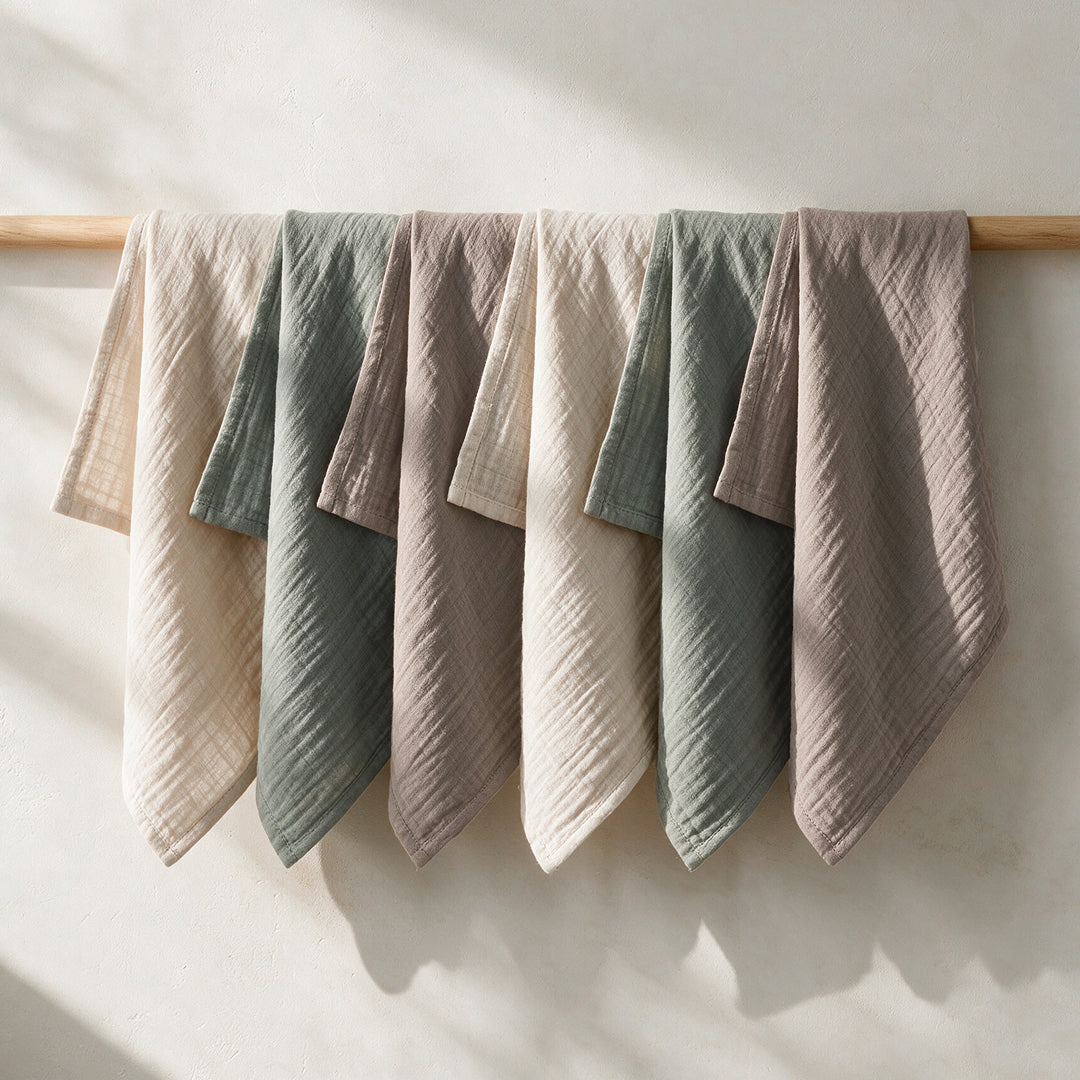
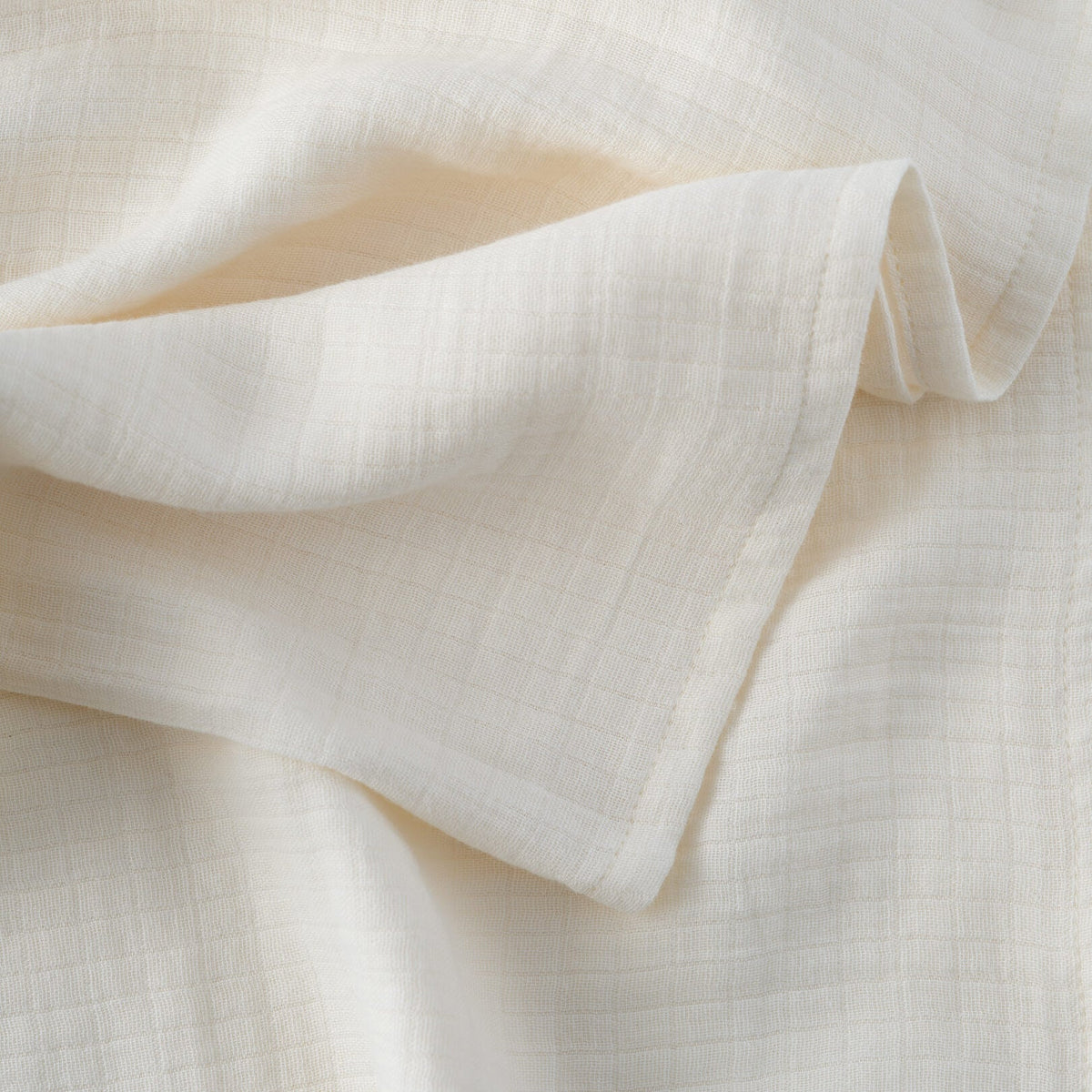
Our cellular blankets, muslin swaddles, muslin squares and knitted blankets are all GOTS certified.

What we didn't want was for organic to become a premium extra. We don't think any family should have to choose between their values and their budget, so we've kept our prices fair.
Thoughtfully made. Fairly priced.
GOTS and OEKO-TEX: two different questions
You'll often see both labels, and they answer different questions. GOTS asks how a product was made, from start to finish. OEKO-TEX Standard 100 asks whether the finished item passed testing for harmful substances, and it doesn't require the fibre to be organic.
Our baby collection holds both. If you'd ever like our certification details, just ask. We're always happy to share them.
What certification can't tell you
Certification tells you how something was made. It can't tell you:
- How soft it feels, or how it behaves in the wash
- Whether it's the right size or type for how you'll use it
- Whether it suits your baby's skin. We don't make medical claims, so if your baby has a skin condition, your health visitor or GP is the right person to ask.
For the soft and washes-well side, we'd rather let parents do the talking. One muslin reviewer put it simply: "Would recommend if organic is important to you, like it is to me. Washes well with no shrinkage and just gets softer with each wash."
A few simple habits help keep it that way: a gentle non-bio detergent, no fabric softener, and line drying when you can. Always check the care label first.
FAQ
Is organic cotton better for babies?
It's grown without synthetic pesticides and fertilisers, and GOTS limits the chemicals used in processing too. How it suits your baby's skin will depend on your baby.
What's the difference between GOTS and OEKO-TEX?
GOTS certifies how a product is made, from the field to the finished item. OEKO-TEX tests the finished item for harmful substances. One looks at the whole journey, the other at the end result.
Can a brand call something "organic" without certification?
There's no single legal standard for calling a textile "organic", which is why independent certification like GOTS is worth looking for.
Does organic baby bedding have to be expensive?
It shouldn't. Keeping our prices fair isn't a one-off promotion. It's how we work.
If you'd like to feel the difference for yourself, our organic baby collection is here.